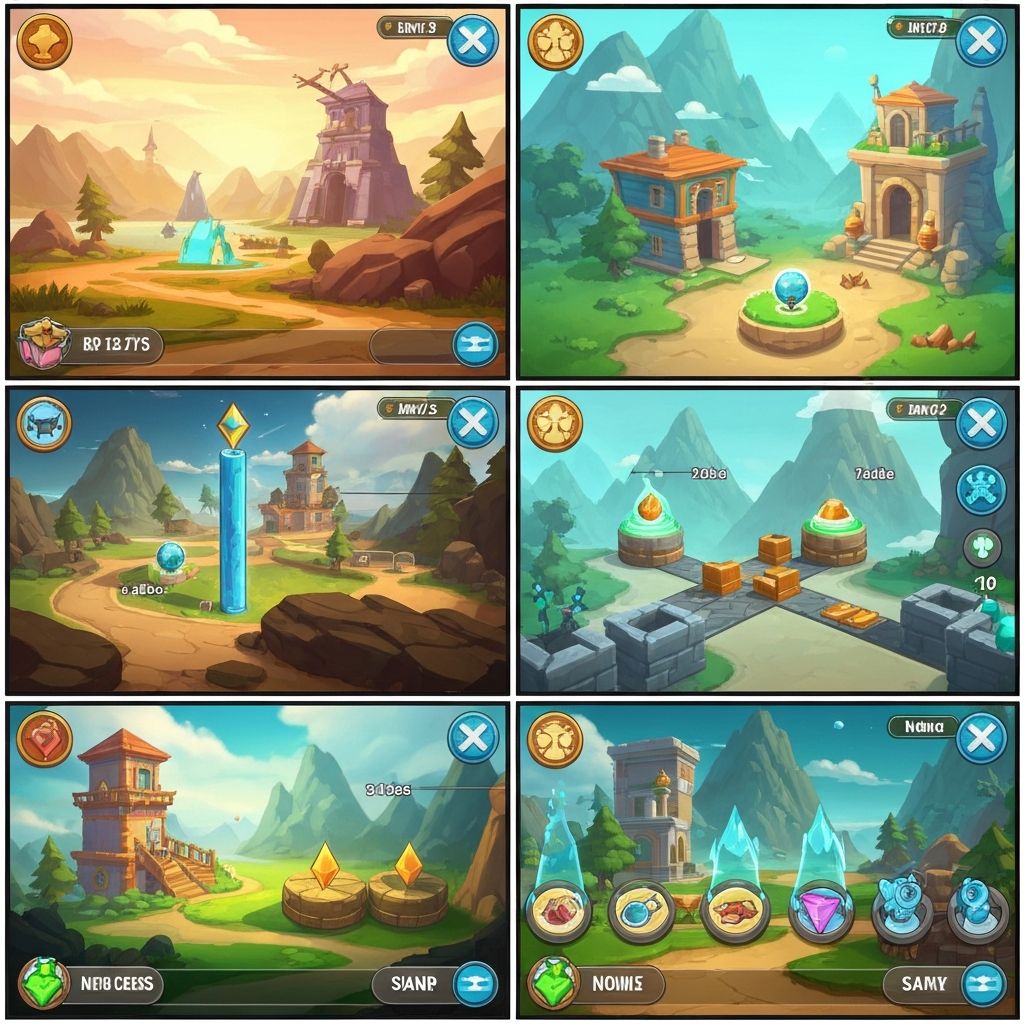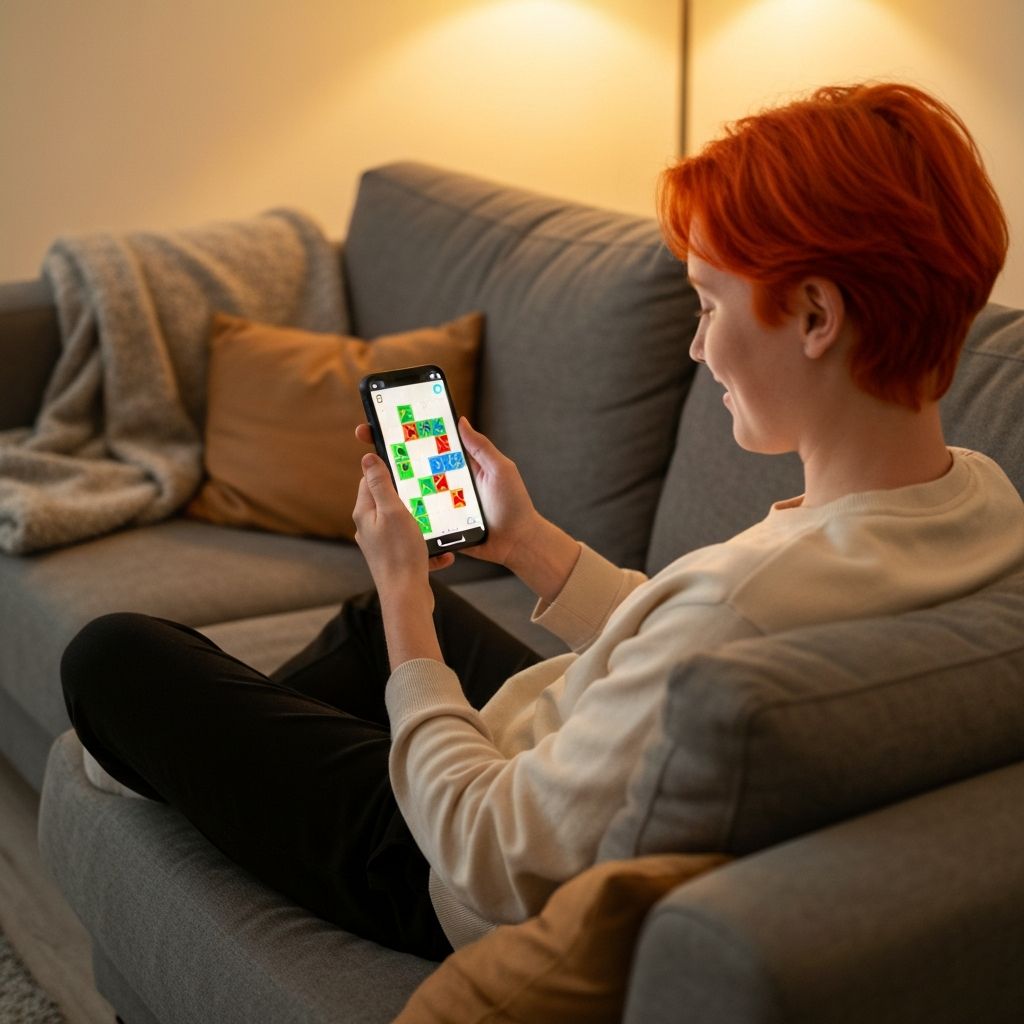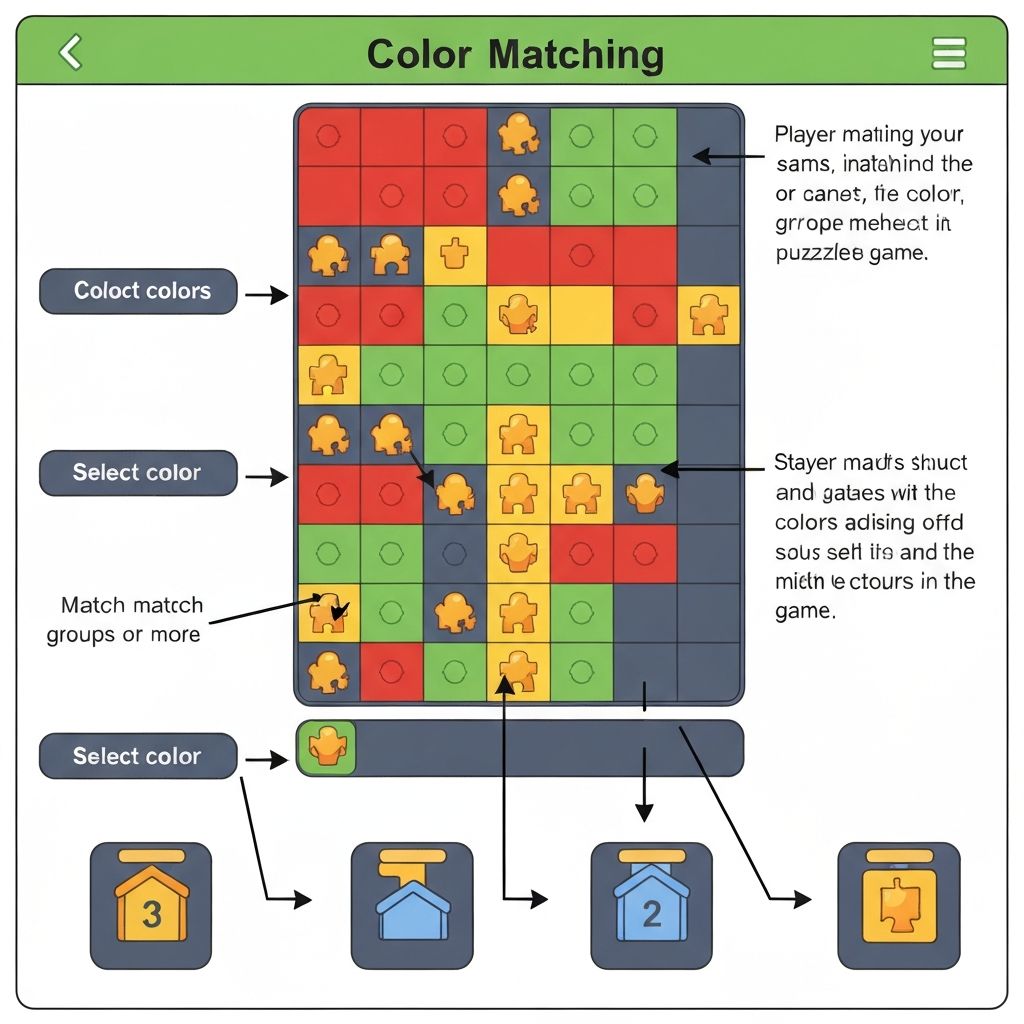
Color Path basic principle

Basic Operating Principle

Color Path operates on a simple principle: players interact with visual elements on screen through touch, and those elements respond with immediate visual feedback.

The game presents colored elements in various arrangements. Players connect these elements using swipe gestures, creating paths that display color transitions and pattern changes.

Each interaction modifies the current visual state, leading to new configurations without requiring navigation through menus or selection of modes.

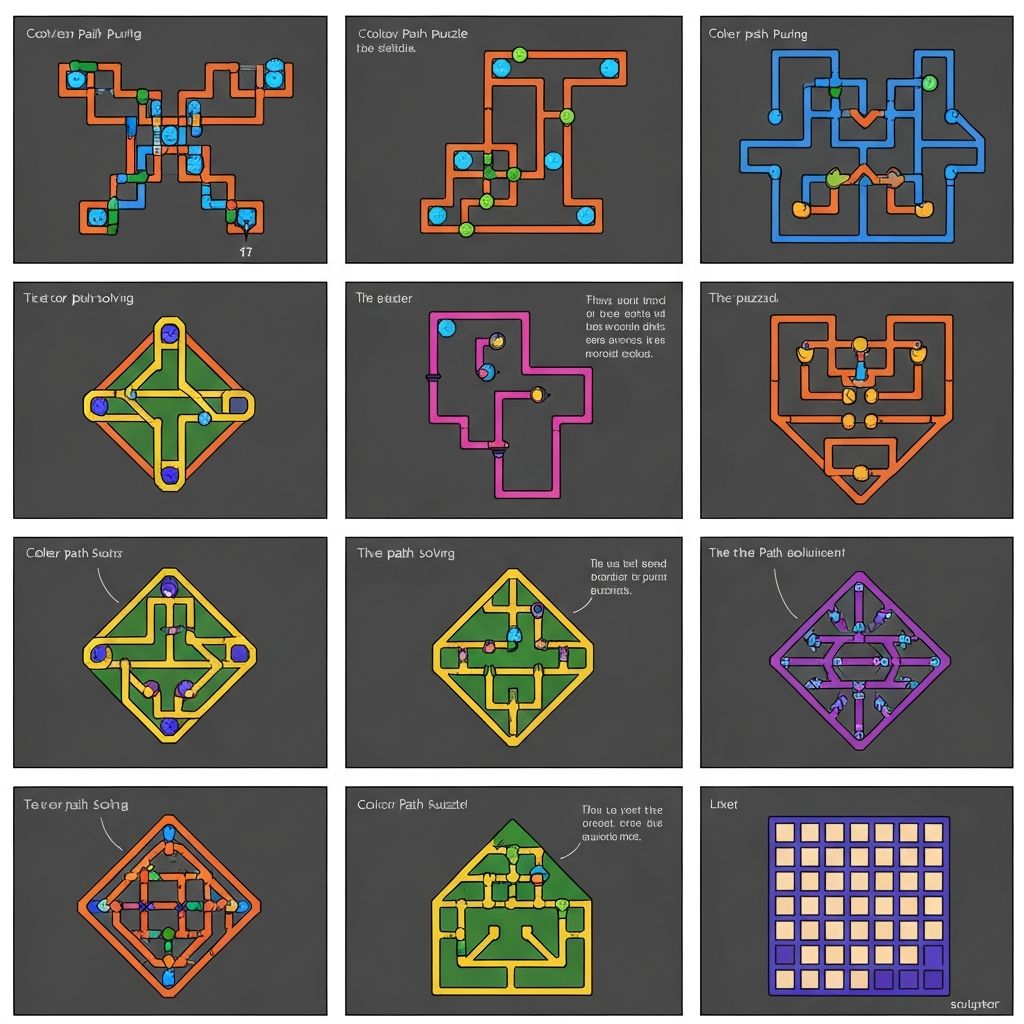
Player Interaction Flow

1

Game Launch

Player opens Color Path on their device. The game loads directly to the gameplay screen without intermediate menus or startup sequences.

2

Pattern Observation

Player sees the current pattern of colored elements arranged on screen. No instructions or prompts appear, allowing immediate interaction.

3

Touch Interaction

Player begins tapping and swiping on elements. Each touch creates immediate visual response, showing the result of the interaction.

4

Pattern Evolution

As player continues interacting, the pattern evolves and changes. New configurations appear naturally without interrupting the flow.

5

Session End

Player closes the game when ready. Progress saves automatically, allowing them to resume from the same point later.

Player interaction with game environment

Player and Environment Interaction

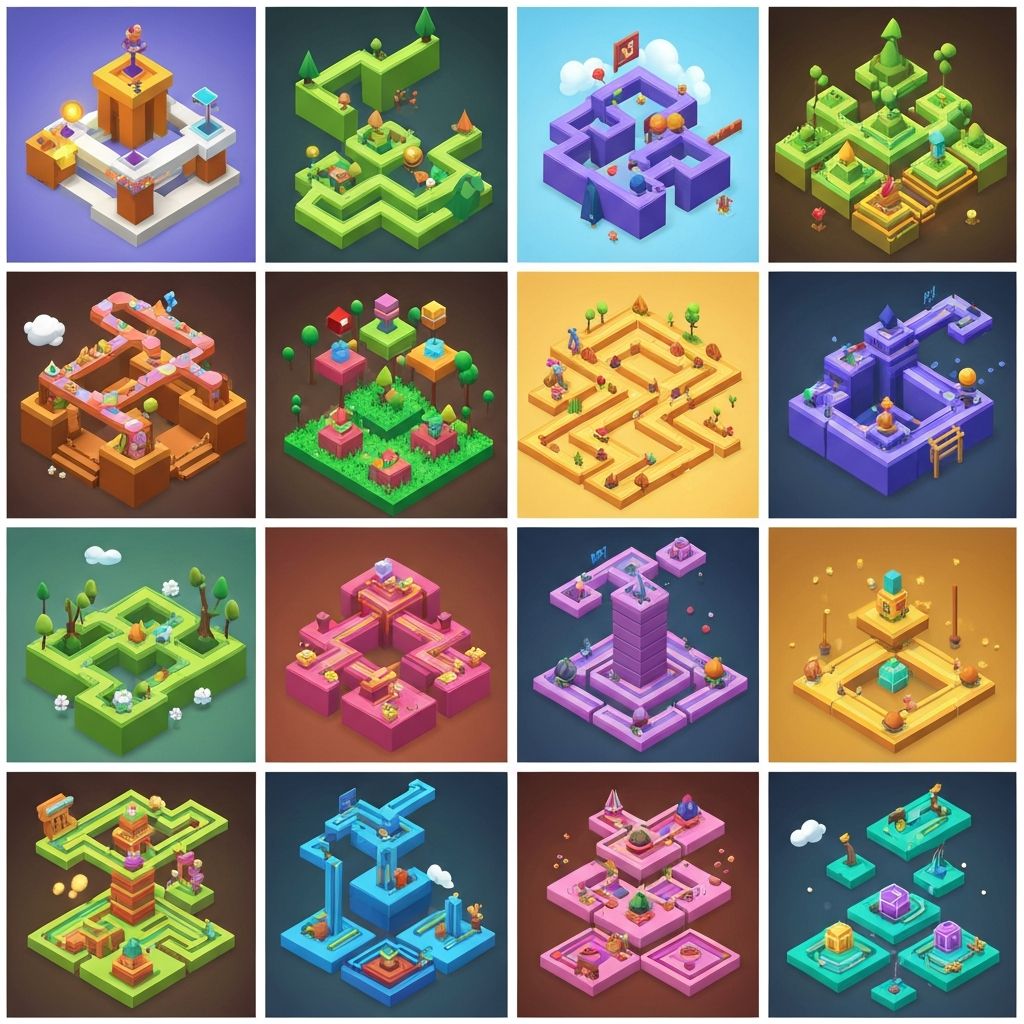
The relationship between player and game environment in Color Path is direct and immediate. When a player touches the screen, the visual elements respond without delay or intermediate processing.

The environment does not present challenges or obstacles to overcome. Instead, it provides a responsive space where player actions create visual results.

This interaction model differs from games where the environment presents resistance or difficulty. In Color Path, the environment adapts to player input rather than testing player skill.

Action sequence in Color Path

Action Sequence Structure

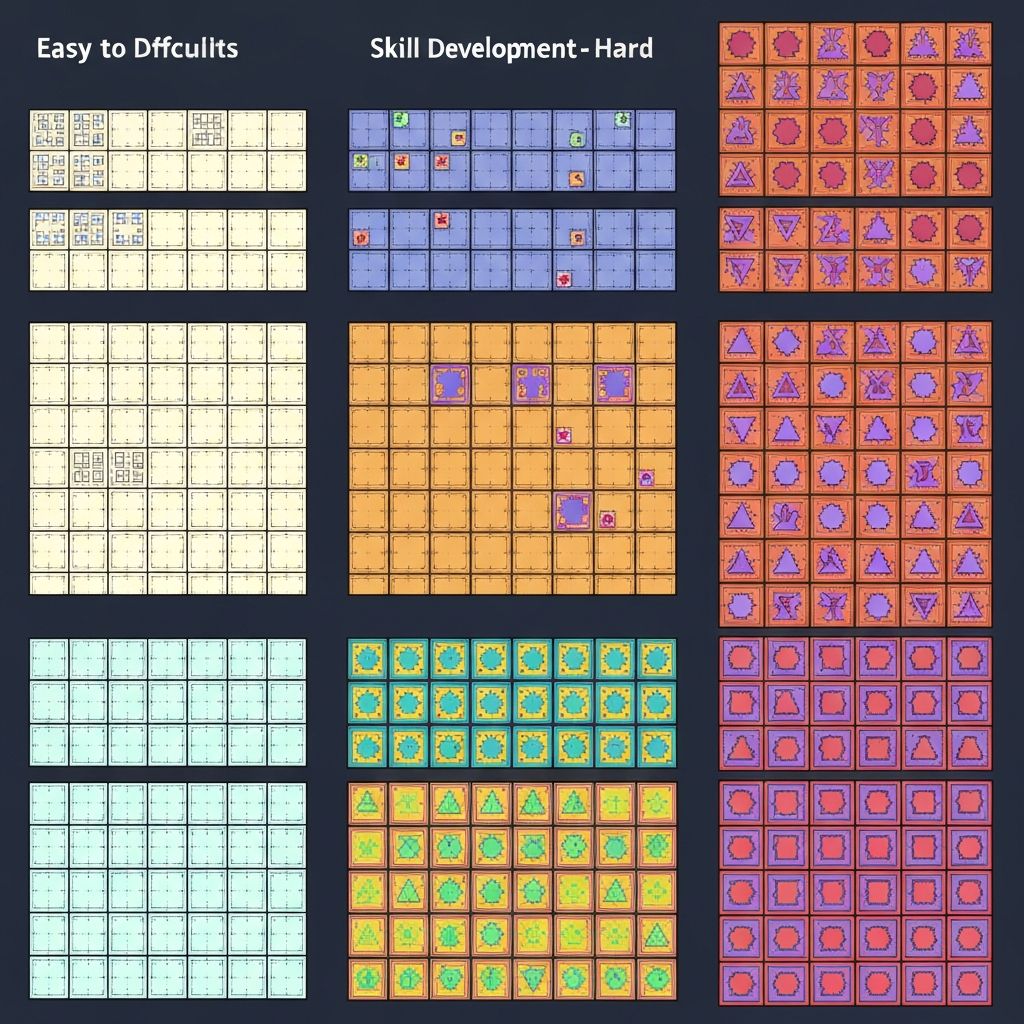
Player actions in Color Path follow a simple sequence: observe, touch, see result, repeat. This cycle continues throughout a play session without interruption from other systems or requirements.

The sequence does not include decision points about modes, options, or settings. Players remain focused on the core interaction loop of connecting elements and observing visual changes.

Each cycle takes only seconds to complete, making the game suitable for very brief interactions when time is limited.

Repetition and variation balance

Repetition and Variation

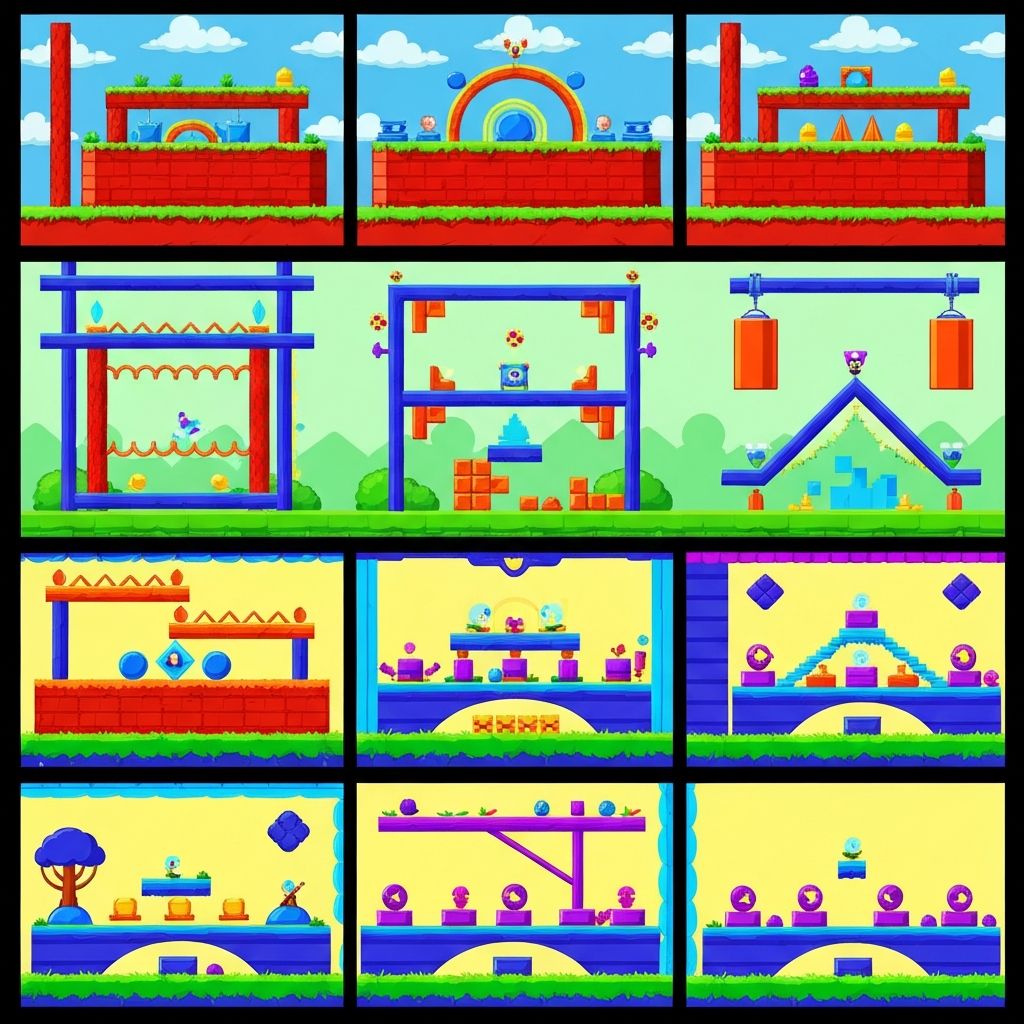
Color Path balances repetition and variation in its structure. The core mechanic of connecting elements remains constant, providing a predictable interaction that players can rely on.

Variation comes from the visual presentation: different color combinations, element arrangements, and pattern structures. This approach keeps the game visually fresh while maintaining mechanical consistency.

Players do not need to learn new controls or mechanics as they encounter different visual scenes. The familiarity of the core interaction persists throughout the experience.

What Makes Color Path Different

No failure states

Absence of Failure States

Unlike many casual games, Color Path does not include game over conditions, lives, or failure states. Players cannot make wrong moves or lose progress.

This design choice eliminates the stress often associated with gaming and creates an environment focused on exploration rather than performance.

No goals or objectives

No Prescribed Goals

The game does not set specific objectives or goals for players to achieve. There are no missions, quests, or tasks to complete.

Players determine their own purpose for playing, whether that is visual exploration, pattern creation, or simply momentary engagement with color and form.

Immediate accessibility

Immediate Accessibility

Color Path requires no account creation, profile setup, or configuration before playing. The game is ready to use immediately upon opening.

This immediate accessibility supports spontaneous use during brief moments of available time.

Focus on interaction

Pure Interaction Focus

The game focuses exclusively on the interaction between player and visual elements, without incorporating collection mechanics, achievement systems, or progression structures.

This narrow focus creates a clear, uncluttered experience without competing systems or attention demands.

Casual game distinction

Distinction in Casual Gaming

Within the casual game category, Color Path represents a specific approach that prioritizes simplicity and accessibility over engagement optimization.

Many casual games include progression systems, daily rewards, or social features designed to encourage regular return. Color Path omits these elements, functioning instead as a tool available when wanted without creating obligations or incentives for continued play.

This distinction may appeal to players looking for entertainment without the commitment that more feature-rich casual games require.