Understanding Color Path interaction patterns
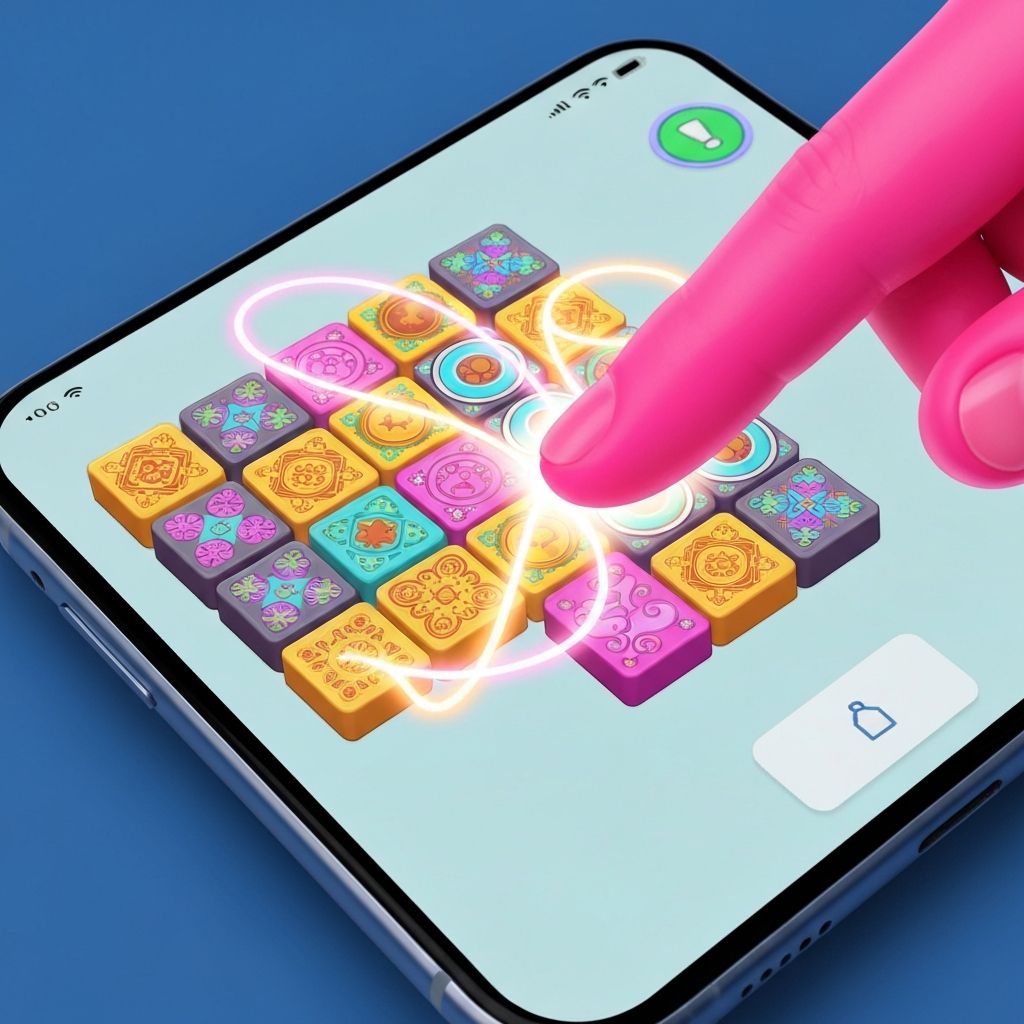
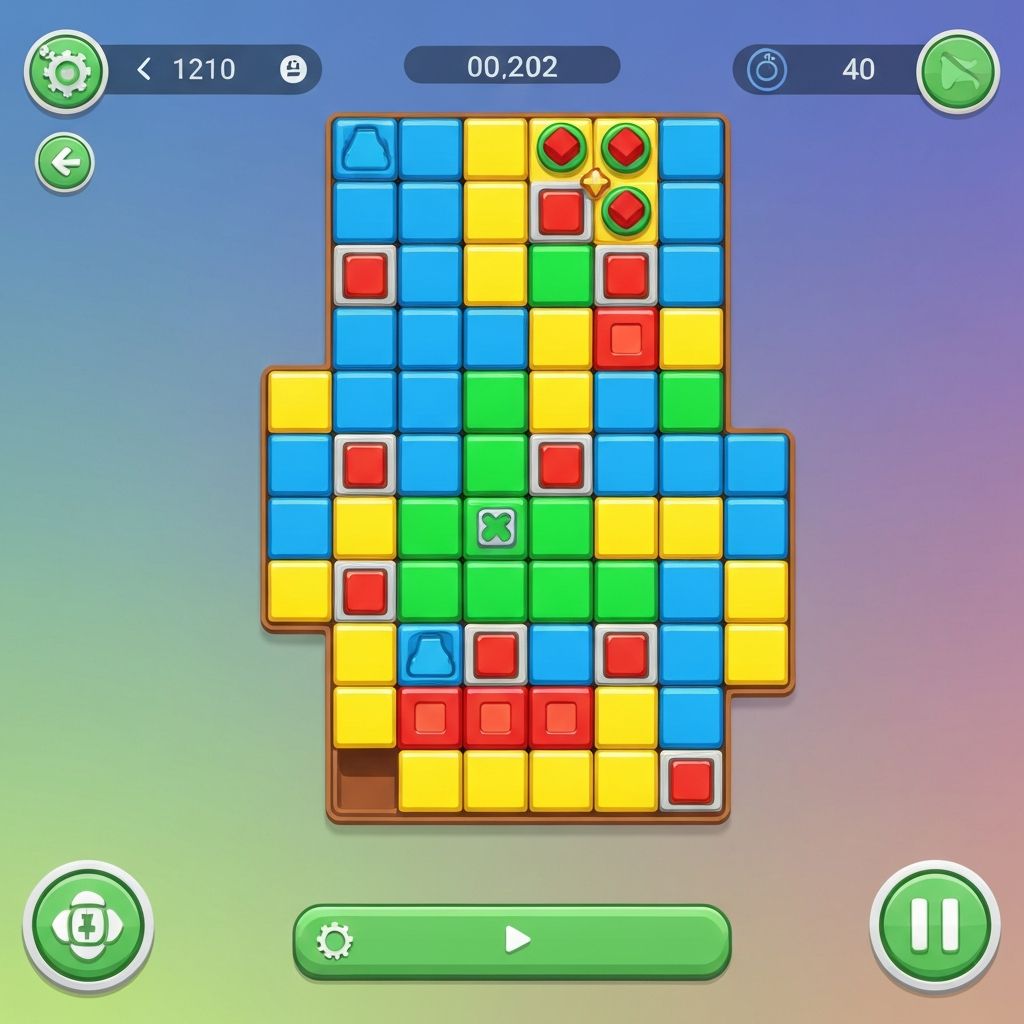
Color Path gameplay consists of touch-based interactions with visual elements displayed on screen. Players see a arrangement of colored dots, nodes, or markers that can be connected through swipe gestures.
The visual presentation uses bright, contrasting colors that shift as players interact with different elements. Each connection creates a path that displays color transitions and visual feedback.
The screen updates in real-time as players swipe, showing the immediate results of each interaction without delay or loading states.
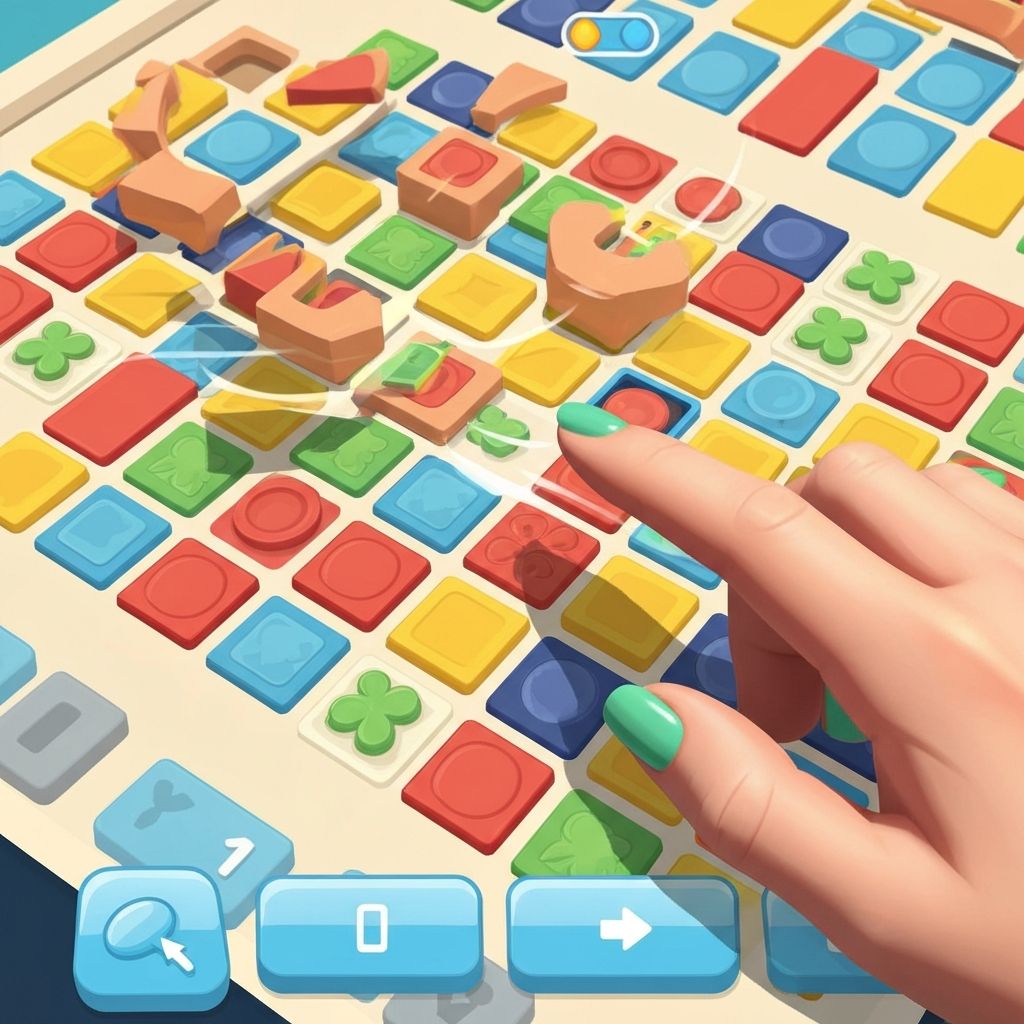
Players tap on individual elements to select or activate them. Tapping provides immediate visual feedback showing the selected state.
Swiping between elements creates connections or paths. The gesture feels responsive and follows the finger movement closely.
A typical Color Path session begins when the player opens the game and sees the initial pattern. The interface displays immediately without loading screens or startup sequences.
Players start making connections between elements using swipe gestures. Each connection changes the visual state, often triggering color shifts or pattern modifications.
As players continue interacting, new configurations appear. The transition between patterns happens smoothly without requiring explicit level selection or menu navigation.
Sessions end when the player chooses to close the game. There are no completion requirements or forced stopping points.
When players touch or connect elements, those elements respond with immediate visual changes. This might include color shifts, size adjustments, or movement animations.
Colors blend and transition as elements connect. The transitions use smooth gradients rather than abrupt changes, creating a flowing visual experience.
As players swipe between elements, visible paths form showing the connection route. These paths remain visible, creating a record of player interactions.
The overall pattern on screen evolves based on player interactions. New elements may appear or existing ones may rearrange as the pattern develops.
Color Path does not include countdown timers, time limits, or time-based scoring. Players can take as long as they want to complete any pattern or connection sequence.
The game also lacks competitive elements such as leaderboards, rankings, or comparison with other players. Each session exists independently without reference to external performance metrics.
This design choice supports the casual gaming approach by removing sources of pressure or anxiety that time limits and competition can create.
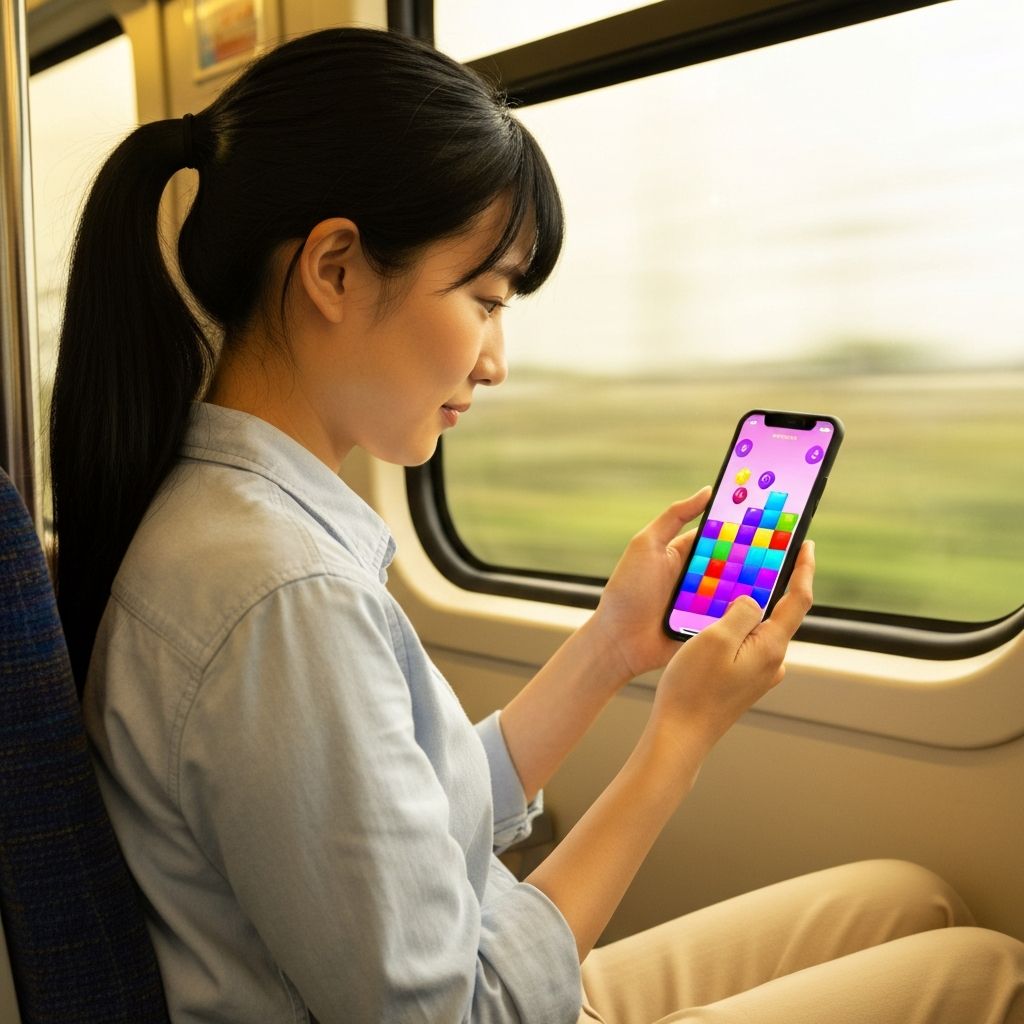
A player opens Color Path during their train ride, spending three minutes connecting colorful elements before arriving at their destination.
During a work break, someone uses Color Path for a brief mental reset, interacting with patterns for about two minutes before returning to work.
Before sleep, a player spends five minutes with Color Path as a calming activity, enjoying the visual patterns without stimulation or challenge.
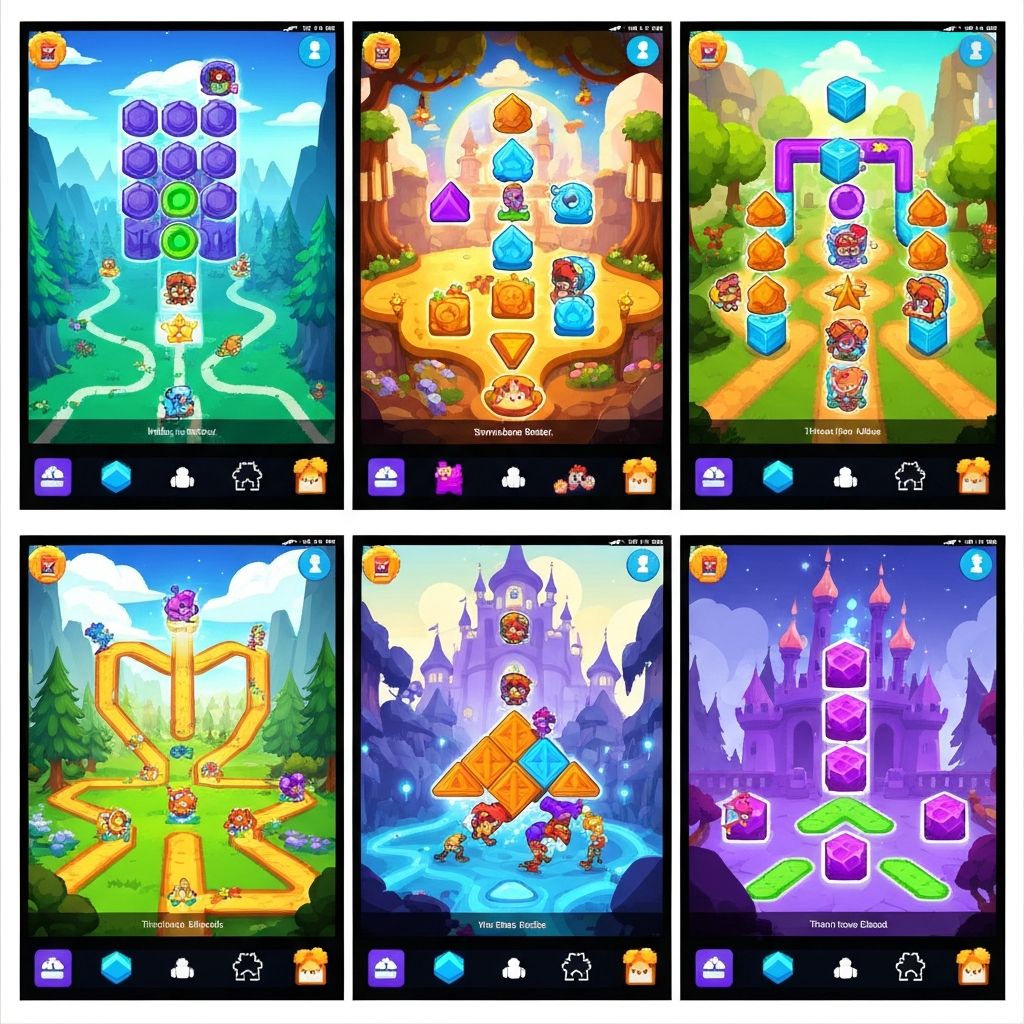
Color Path includes multiple visual scenes or configurations that present different color combinations and element arrangements. Each scene maintains the same basic interaction pattern while offering visual variety.
The variety comes from different color palettes, element positions, and pattern structures rather than from changes to the core mechanics. This approach keeps the game easy to understand while preventing visual repetition.
Players move between scenes naturally as they play, with the game selecting new configurations automatically without requiring menu navigation or explicit choices.